
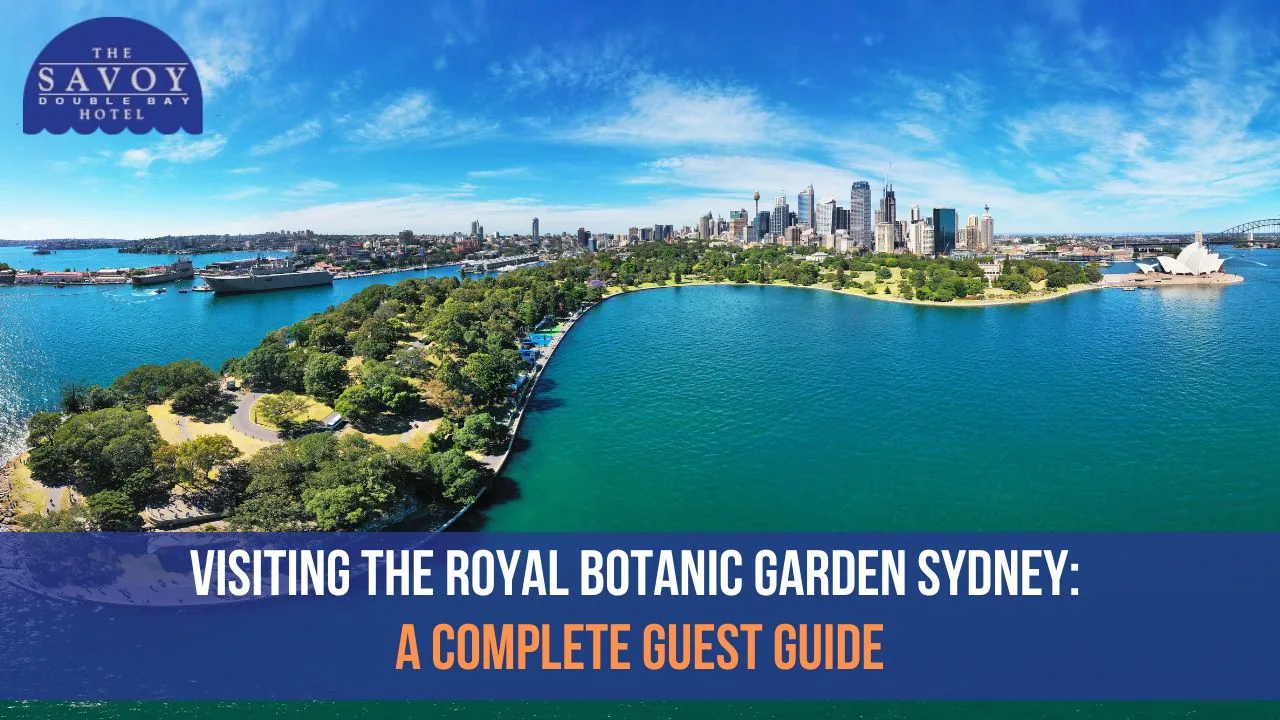
The Royal Botanic Garden Sydney is a free, world-class garden in the heart of the city, open every day of the year. Established in 1816, it is Australia’s oldest scientific institution and home to more than 8,000 plant species.
Whether you are interested in rare plants, historic landscapes, guided tours, or simply a peaceful walk beside the harbour, this guide covers everything you need to plan your visit, including practical advice for guests staying at the Savoy Hotel in Double Bay.
What Is the Royal Botanic Garden Sydney?
The Royal Botanic Garden Sydney is a living scientific institution and public garden occupying the eastern foreshore of Sydney’s CBD. It functions simultaneously as a free public park, a conservation research centre, and one of the most significant botanical collections in the Southern Hemisphere.
The garden sits on land that belonged to the Gadigal people of the Eora Nation for thousands of years before European settlement. That continuous human relationship with this landscape shapes much of what visitors experience today, from the dedicated First Peoples garden to interpretive displays throughout the grounds.
The institution is managed by the Botanic Gardens of Sydney, which also oversees the Blue Mountains Botanic Garden Mount Tomah and the Australian Botanic Garden Mount Annan.
Location, Opening Hours, and How to Get There
Address: Mrs Macquaries Road, Sydney NSW 2000. The main pedestrian entrance is on Macquarie Street, adjacent to the Domain and a short walk from Circular Quay.
Opening hours (confirm current times at botanicgardens.org.au):
| Season | Opening Time | Closing Time |
|---|---|---|
| Summer (Oct to Mar) | 7:00 am | 8:00 pm |
| Winter (Apr to Sep) | 7:00 am | 5:00 pm |
| Christmas Day | Closed | Closed |
The garden is open every other day of the year, including public holidays.
Getting there from the CBD:
- Train: Circular Quay Station is the closest rail stop. From there it is an approximately 10-minute walk along the waterfront to the main garden entrance.
- Bus: Multiple bus routes stop on Macquarie Street directly adjacent to the garden.
- Ferry: Circular Quay Wharf is served by regular ferry services from across Sydney Harbour, placing the garden entrance within a 10-minute walk of the wharves.
- Walking: From the Sydney CBD core (Martin Place area) the walk takes approximately 15 to 20 minutes along Macquarie Street.
For guests staying with us at the Savoy Hotel in Double Bay, getting around Sydney from Double Bay is easy, with the 327 bus, a taxi or a rideshare into the city all taking roughly 15 to 20 minutes depending on traffic.
Entry Fees and Tour Options
General admission to the Royal Botanic Garden Sydney is free. There is no ticket required to walk through the garden, visit the main collections, or use the picnic areas.
Certain experiences within the garden are ticketed separately. These include:
- Guided walking tours: Led by volunteer guides, these tours cover the history, horticulture, and ecology of the garden. Tour types and availability vary by season.
- Audio guides: Self-guided audio tours are available for rent.
- Special events and workshops: Seasonal events, family programs, and evening events such as outdoor cinema screenings require separate tickets.
- The Calyx: The Calyx is the garden’s contemporary horticultural centre and may charge separate admission for specific exhibitions.
Prices for ticketed experiences vary and are updated regularly. Check the official Botanic Gardens of Sydney website for current pricing before you visit. Booking in advance is recommended for popular guided tours, particularly during school holidays.
History of the Royal Botanic Garden Sydney
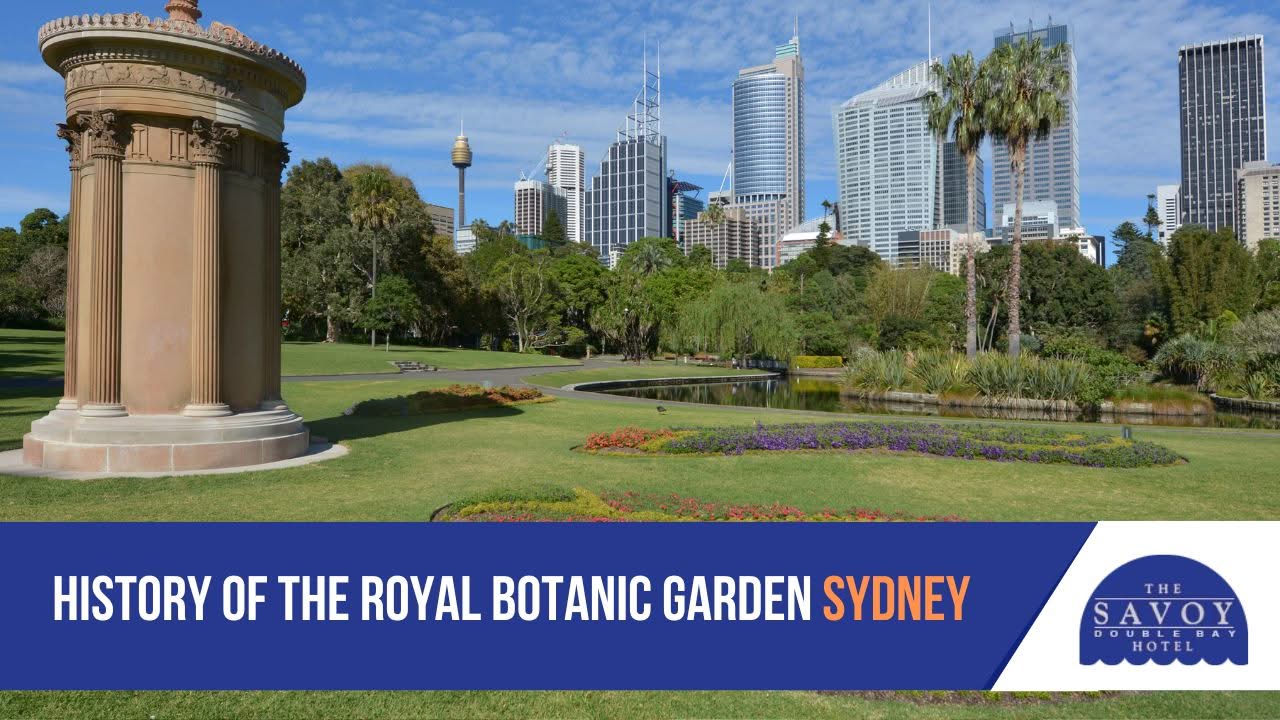
The Royal Botanic Garden was founded in 1816 under Governor Lachlan Macquarie, initially to supply fresh produce to the colony of New South Wales. Its purpose shifted quickly toward scientific study and plant conservation, and the garden has operated continuously on its current site for more than 200 years, making it Australia’s oldest scientific institution.
From a small collection of plants in the early colonial period, the garden expanded to encompass approximately 74 acres (around 30 hectares) of land along the harbour foreshore.
Famous Botanists and Scientists
Several figures made lasting contributions to the garden’s development:
- Charles Fraser served as the garden’s first superintendent and was instrumental in shaping its early collections and scientific direction.
- Joseph Maiden directed the garden for 25 years and produced foundational research on Australian flora, including extensive work on eucalyptus species.
- William Woolls played a key role in establishing the garden’s herbarium and library, both of which remain active research resources today.
Historical Landmarks Inside the Garden
The Palm Grove
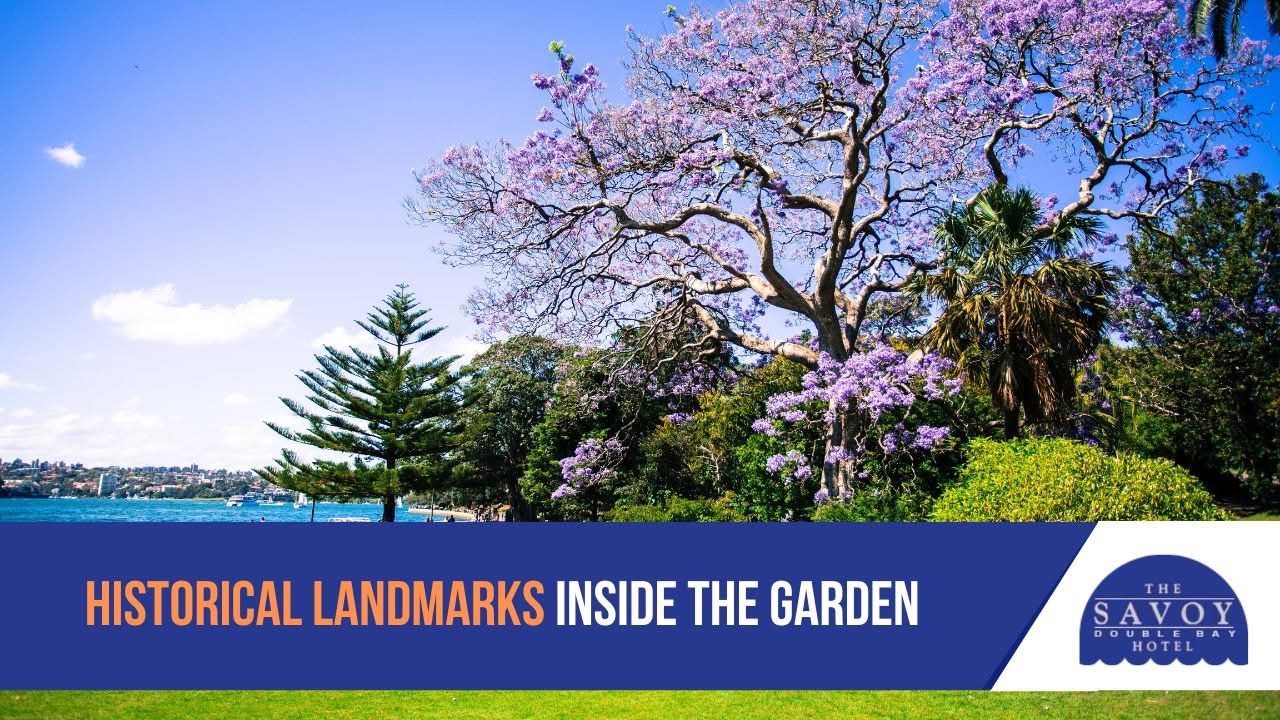
The oldest surviving feature within the garden, the Palm Grove was established in 1848. Its canopy of tall palms is one of the most photographed spots in the grounds.
The Fernery
Built in 1876, the Fernery is among the oldest ferneries still in operation worldwide. It houses a broad collection of fern species from across the globe within a shaded, humid structure that creates a distinctly different microclimate from the surrounding garden.
The Palm House
A Victorian-style glasshouse that shelters tropical and subtropical plants, including species that cannot survive Sydney’s open-air winters. The architecture alone is worth a visit.
Cadi Jam Ora: First Encounters Garden
This garden honours the Gadigal people, the traditional custodians of the land on which the Royal Botanic Garden stands. It presents plants and stories central to Gadigal culture and provides important historical context for the entire site.
Plant Collections and Conservation Efforts
The garden’s living collection holds more than 8,000 plant species, sourced from Australia and around the world. The major collections include:
Australian Plant Collection
Comprising over 7,000 native Australian species, this collection spans habitats from arid outback flora to rainforest and wetland plants. Many specimens are rare or regionally threatened.
Temperate Glasshouse Collection
Plants from Mediterranean climates, South Africa, and South America that cannot thrive outdoors in Sydney year-round are housed here, creating a geographically diverse display in a controlled environment.
Herb Garden
A working collection of herbs and medicinal plants with documented histories of use across multiple cultures and centuries.
Rose Garden
The rose collection includes antique and heritage varieties no longer widely cultivated commercially, making it of genuine historical as well as horticultural interest.
Notable Plants
The Wollemi Pine
The Wollemi Pine (Wollemia nobilis) was known only from fossil records and was believed to be extinct until its rediscovery in a remote Blue Mountains canyon in 1994. The Royal Botanic Garden Sydney holds specimens of this critically endangered species and was a key participant in the propagation program that allowed it to be grown in public botanical collections worldwide.
Few places in the world offer visitors the opportunity to see this tree in person.
Conservation Programs
The garden conducts active conservation work at local, national, and international levels, including:
- Propagation and reintroduction of critically endangered species such as the Wollemi Pine and Mount Annan Swainsona
- Habitat restoration projects targeting wetlands, woodlands, and rainforest communities
- Collaborative global programs with international botanical gardens focused on plant conservation and seed banking
Visitors can learn more about current conservation projects at the garden’s visitor centre, where interpretive displays explain the science behind this work.
Garden Features and Walking Trails
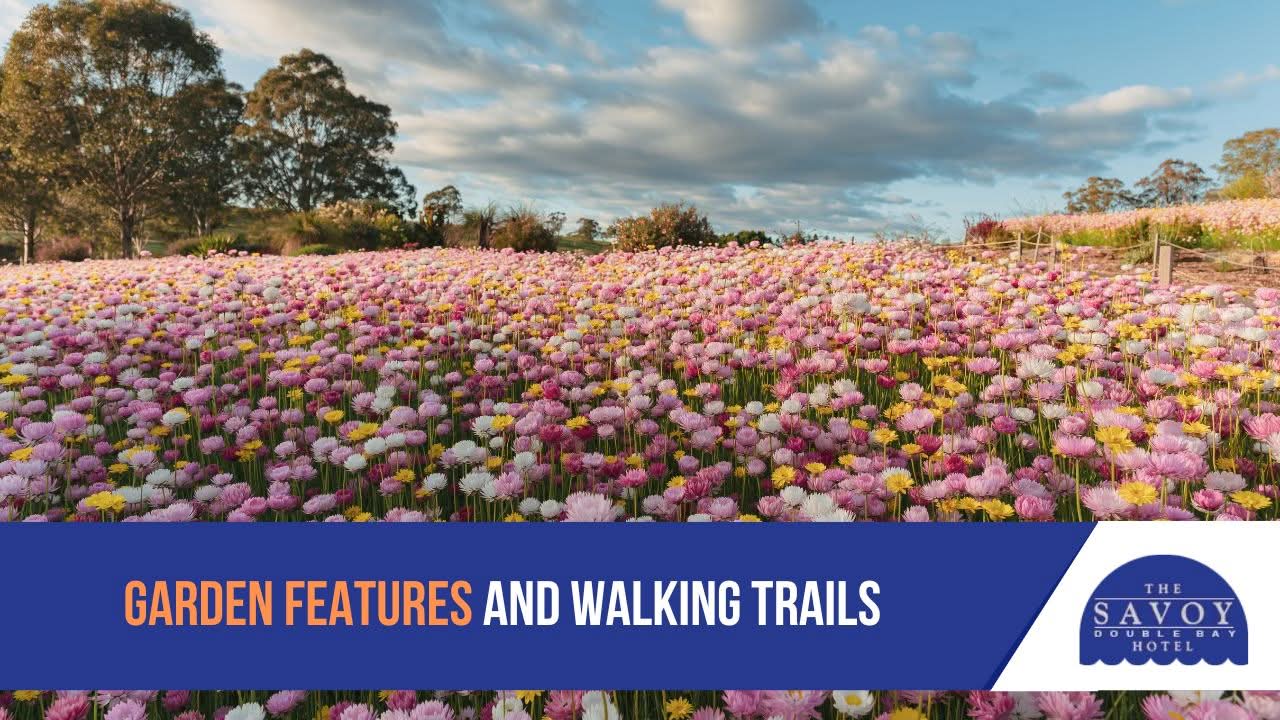
The garden is designed around a network of walking paths that allow visitors to move between collections at their own pace. Three routes are particularly useful for first-time visitors:
The Main Path
Connects the Macquarie Street entrance to the central collections and the harbour foreshore, providing a logical spine for a first visit.
The Heritage Walk
Passes through the garden’s most historically significant features, including the Palm Grove, the Fernery, and the Palm House. This walk is the most efficient route for visitors primarily interested in the garden’s history.
The Foreshore Walk
Follows the harbour edge and offers some of the most photographed views in Sydney, combining harbour views with access to the garden’s eastern plantings and the Fleet Steps.
Additional Features
- The Rock Garden: A specialised planting of alpine and rocky-habitat species, including Australian and international plants adapted to low-soil environments.
- The Calyx: A purpose-built contemporary space that hosts rotating horticultural exhibitions and events.
Education, Events, and Seasonal Programs
Seasonal Highlights
The garden changes meaningfully across the four seasons, giving repeat visitors a different experience throughout the year.
- Spring: Ornamental plantings including tulips, daffodils, and flowering cherries emerge, and this is generally the garden’s busiest visitor period.
- Summer: Roses, lilies, and tropical plantings in the glasshouses are at their peak. The garden hosts outdoor events and evening programs during summer. For ideas to combine a garden visit with other warm-weather activities, our roundup of the best things to see and do in Sydney across the warmer months is a helpful starting point.
- Autumn: Deciduous trees in the temperate collections provide autumn colour, which is less common in Sydney than in cooler climates, making the display genuinely notable.
- Winter: Evergreen plantings and the glasshouse collections maintain colour and interest. Visitor numbers are lower, making winter an underrated time to visit for those who prefer space and quiet.
Guided Tours
Volunteer guides lead regular walking tours covering garden history, specific plant collections, and conservation themes. Tour schedules vary by season; confirm availability on the garden’s website or at the visitor centre on arrival.
Educational Programs
- School programs: Curriculum-aligned guided tours and workshops for primary and secondary students, bookable through the Botanic Gardens of Sydney.
- Family programs: Interactive workshops and activities designed for mixed-age groups, running throughout the year with increased frequency during school holidays.
- Adult education: Lectures, workshops, and special-interest tours on horticultural and conservation topics.
Research and Publications
The garden functions as a working scientific institution. Staff and affiliated researchers publish peer-reviewed research on plant taxonomy, ecology, and conservation. Scholarly publications, popular books, and field guides produced by the garden are available through the garden’s shop and online.
Volunteering
Volunteers support the garden in three main areas: garden maintenance (planting, pruning, weeding), visitor services (guiding tours, staffing the visitor centre), and research and conservation (field data collection and monitoring).
Details on current volunteer and internship opportunities are available on the Botanic Gardens of Sydney website.
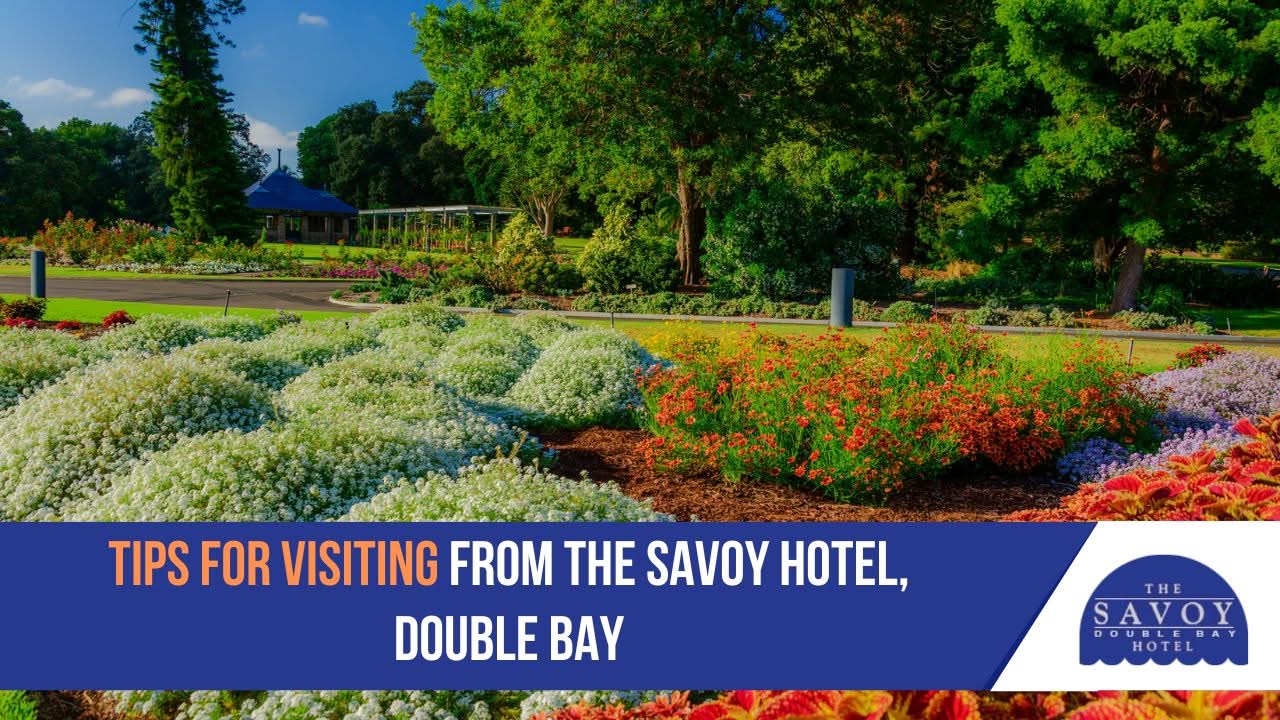
Tips for Visiting from the Savoy Hotel, Double Bay
The Savoy Hotel is located in Double Bay, approximately 15 to 20 minutes from the Royal Botanic Garden by taxi, rideshare, or the 327 bus toward the city. The garden is one of the most rewarding half-day outings available to our guests, and the foreshore walk from Circular Quay back toward the Domain makes an excellent way to end the visit on foot.
Practical checklist before you go:
- [ ] Check current opening hours and any special event closures at botanicgardens.org.au
- [ ] Book guided tours in advance, particularly during school holidays
- [ ] Wear comfortable, closed-toe shoes; some garden paths are uneven
- [ ] Bring a refillable water bottle; the garden is large and not all sections have drinking fountains nearby
- [ ] Allow at least two hours for a general visit; half a day for a thorough one
- [ ] Download or pick up a garden map at the visitor centre on arrival
To turn the garden into a full day out, combine it with a late lunch or afternoon in the inner city before returning to Double Bay. Our Double Bay day itinerary pairs well with a morning at the garden for guests who want a structured plan.
Frequently Asked Questions
Is the Royal Botanic Garden Sydney free to enter?
Yes. General admission to the Royal Botanic Garden Sydney is free, and there is no entry ticket required to access the main garden and collections. Some specific experiences within the garden, including certain guided tours, special events, and exhibitions at the Calyx, are ticketed separately.
What are the Royal Botanic Garden Sydney opening hours?
The garden opens at 7:00 am every day of the year except Christmas Day. Closing times vary by season: 8:00 pm in summer (approximately October to March) and 5:00 pm in winter (approximately April to September). Confirm exact seasonal dates at botanicgardens.org.au before your visit, as these boundaries can shift slightly year to year.
How do I get to the Royal Botanic Garden Sydney from the city?
The most straightforward option from the CBD is to walk from Circular Quay, which takes approximately 10 to 15 minutes along the harbour foreshore. Alternatively, buses on Macquarie Street stop directly adjacent to the garden entrance.
From Double Bay, the 327 bus or a taxi or rideshare brings you to the CBD in roughly 15 to 20 minutes, from where the garden is a short walk.
What can I see at the Royal Botanic Garden Sydney?
The garden holds more than 8,000 plant species across collections that include Australian native plants, tropical and subtropical glasshouses, a rose garden, a fernery, a herb garden, and a rock garden. Landmarks include the Palm Grove (established 1848), the Victorian-era Fernery (1876), the Palm House, the Cadi Jam Ora First Encounters Garden honouring the Gadigal people, and living specimens of the critically endangered Wollemi Pine.
Harbour views are available along the foreshore walk on the garden’s eastern edge.
Do I need to book tickets for the Royal Botanic Garden Sydney?
No ticket is needed for general entry. If you want to join a specific guided tour, attend a workshop, or visit a ticketed exhibition, booking in advance is recommended, particularly during school holidays and peak summer periods. Check the Botanic Gardens of Sydney website for availability and pricing.