

Getting around Sydney from your accommodation is straightforward, with trains, buses, ferries, trams, taxis, cycling and walking all on offer. This guide compares each option, covers the best public transport routes and fares, and explains how to get around Sydney without a car and when to avoid the roads during peak hours.
The Opal Card: How to Pay for Public Transport in Sydney
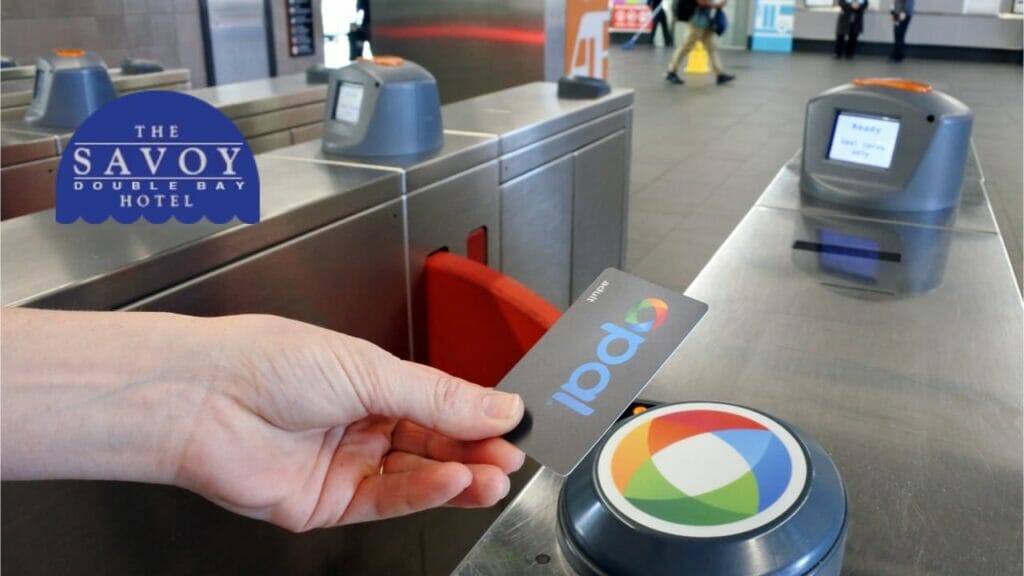
The Opal card is a reloadable smart card that works across the entire Sydney public transport network, including trains, buses, ferries, and light rail. It also covers services north to Newcastle, west to the Blue Mountains, and south to Wollongong and the Southern Highlands.
Tap on and tap off at every stop. Opal cards are available at convenience stores, newsagencies, and at major train stations throughout the city.
Using an Opal card is cheaper than paying cash fares, and it automatically applies daily and weekly travel caps.
Travel Options from Your Sydney Accommodation
Train
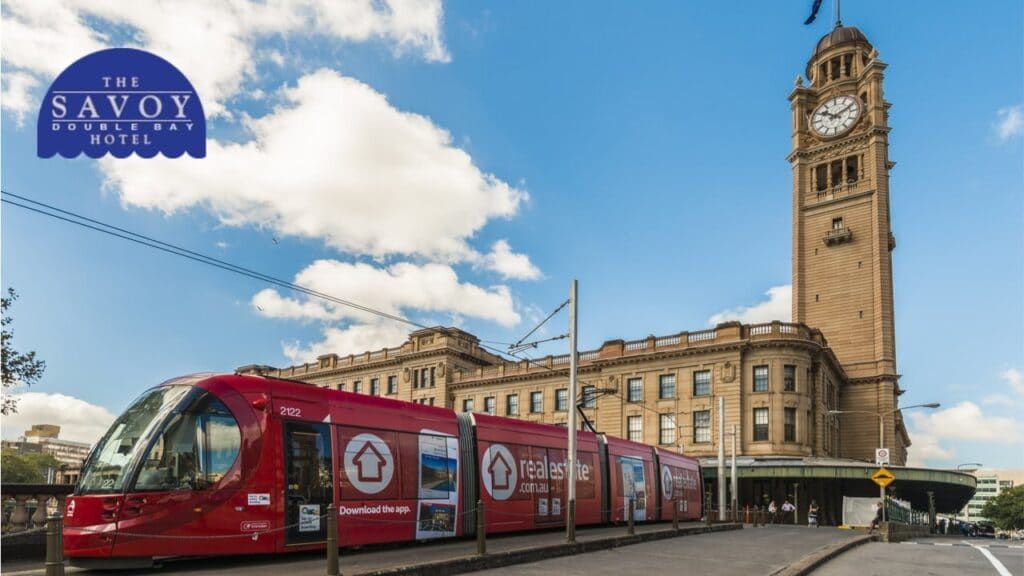
Trains are the fastest and most reliable way to move between Sydney’s major attractions. From the City Circle line you can reach The Rocks, the Royal Botanic Gardens, and the Sydney Opera House without dealing with road traffic.
Services run from approximately 5am to midnight. After midnight, NightRide bus services replace most train lines. Trains are more crowded and carry peak-hour pricing during morning and evening rush periods.
Bus
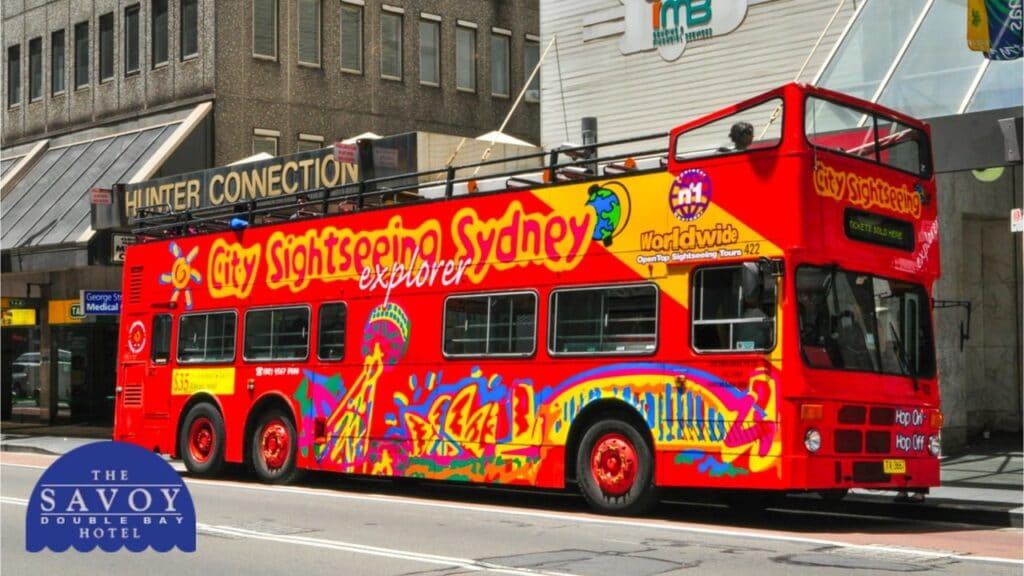
Buses cover areas not served by rail and are useful for moving between suburbs. Services operate from approximately 5am to midnight, with limited NightRide services after that. Allow extra travel time during peak hours, when buses are subject to the same road congestion as private vehicles.
Light Rail
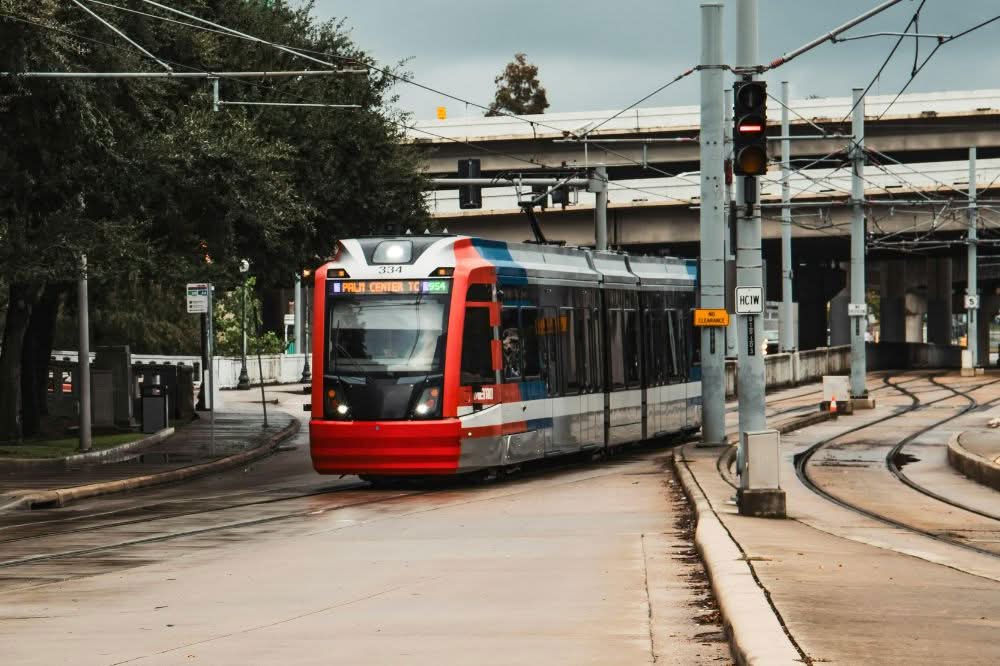
Sydney has two light rail lines:
- Inner West Light Rail runs between Central Station and Dulwich Hill, with stops at Chinatown, Darling Harbour, The Star, Sydney Fish Market, Glebe, and Leichhardt.
- CBD and South East Light Rail runs from Circular Quay along George Street through the city centre, Central Station, Surry Hills, Moore Park, and Randwick.
Both lines operate with Opal card tap-on, tap-off.
Ferry
The ferry is one of the most enjoyable ways to see Sydney Harbour while getting from A to B. Regular services run from Circular Quay to destinations including Manly, Darling Harbour, Watsons Bay, and the inner west. Ferries accept the Opal card.
Taxi and Rideshare
Metered taxis can be hailed on the street throughout the CBD and inner suburbs. Surcharges apply during peak hours, on weekends, and on public holidays. Note that driver changeover times are 3am and 3pm, when taxis can be harder to find.
Uber and DiDi are widely used alternatives and can be more predictable in terms of pricing. If you are travelling late at night, plan your route with safety in mind before you head out.
Water Taxi
Water taxis are a practical option for harbour trips in a group. Private hire services run from Circular Quay and can reach Watsons Bay in under 15 minutes. Pick-up is available at private jetties and other harbour points.
Car
Driving in Sydney’s CBD is not recommended for visitors. Traffic congestion is heavy, the one-way street system is not intuitive, and parking is limited and expensive. If you are renting a car, note that Australians drive on the left-hand side of the road.
A hire car is more useful for day trips to beaches south or north of the city, or for travelling between cities. It is not the most efficient mode for central Sydney sightseeing.
Bicycle
Sydney has expanded its cycling infrastructure over recent years. Bikes are permitted on suburban trains and ferries free of charge, but are not allowed on buses. Cycling lets you move at your own pace and is practical for short distances between inner-city areas.
On Foot
Walking is worthwhile for attractions that are close together. The area around Circular Quay, The Rocks, the Botanic Garden, and the Opera House can largely be explored on foot. When distances increase, combine walking with the train or ferry rather than staying on foot the whole day.
Getting Around Sydney Without a Car
You do not need a car to see most of what Sydney offers. The train network connects the airport, the CBD, and major tourist precincts. Ferries cover the harbour and Manly. Light rail handles the inner west and the CBD’s southern strip. Buses fill gaps the rail network does not cover.
A single Opal card gives you access to all four modes. The main practical limit of going car-free is reaching beaches and national parks outside the immediate city, where public transport is less frequent.
When Is Rush Hour in Sydney?
Sydney’s peak hours run roughly from 7am to 9am and 4:30pm to 6:30pm on weekdays. During these windows:
- Trains are crowded and attract higher fares under Opal’s peak pricing.
- Bus journey times increase due to road congestion.
- Taxis and rideshare are harder to find and more expensive.
If your plans are flexible, travelling outside these windows is cheaper and more comfortable. Most tourist attractions open before the morning peak and remain open well into the afternoon.
Faqs
How much does public transport cost in Sydney?
Fares are based on distance, but the daily cap matters more for visitors. Adults pay no more than AU$19.30 in total on Monday to Thursday, or AU$9.65 on Friday to Sunday and public holidays, no matter how many trips are taken. Once the cap is reached, the rest of that day’s travel is free.
Do I need a physical Opal card, or can I tap my credit card or phone?
A physical Opal card is not necessary. Any contactless debit or credit card, or a mobile wallet such as Apple Pay, Google Pay or Samsung Pay, works on the same readers and charges the same fares and daily caps as an Opal card. Stick to one card or device for the day, since switching between them partway through a trip can affect the fare calculation.
What is the best way to get from Sydney Airport to the city?
The train is the fastest option, reaching the CBD in around 15 to 20 minutes from the airport stations. Note that airport stations carry an additional station access fee of roughly AU$17 to AU$18 each way on top of the standard fare. Travellers wanting to avoid this fee sometimes take a bus to a nearby station outside the airport precinct and transfer to the train from there.
What is the best way to get from Sydney Airport to Double Bay?
Taxi or rideshare is the simplest choice, taking around 15 to 20 minutes door to door. Public transport is possible but involves at least one change, since there is no direct train or bus route between the airport and Double Bay.
Is it safe to use public transport in Sydney at night?
Sydney’s train, bus and ferry network is generally considered safe, with staff and security present at major stations and interchanges. Services do thin out after midnight, so checking NightRide bus times in advance is worthwhile for anyone travelling late.
Book Your Stay at Savoy Hotel
Savoy Hotel is located in Double Bay, giving you easy access to Sydney’s transport links and major attractions. Book direct for the best available rate.